Entry · Ref 38QBQRK4
Why Non-Psychoactive Pet Treats Are Gaining Popularity Among Pet Owners
- Posted
- 2026-10-11
- Last amended
- 2026-10-11
- Account
- @nonpsychoactivepettreatslife
A Shift in Pet Wellness
Over the past few years, I have watched the pet wellness space evolve faster than almost any category in natural health. Owners who once reached for standard kibble and the occasional rawhide chew are now reading ingredient labels with the same scrutiny they apply to their own supplements. This change has brought a surge of interest in products that support pet health without introducing unwanted side effects. Among the most talked-about options are non-psychoactive pet treats, which offer the benefits of hemp and other plant compounds while keeping pets clear-headed and steady on their paws.
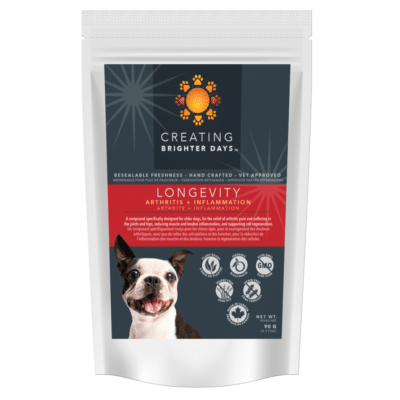
I first encountered these products through a client who had a senior Labrador struggling with hip and joint support. She had tried standard glucosamine and chondroitin chews, but the dog still limped after short walks. A friend mentioned CBD-infused options, and she was hesitant at first. She did not want her dog to feel "different" or sedated. What she found instead was a category of non-psychoactive pet treats that provided the anti-inflammatory support she needed without any change in her dog's alertness or behavior. That experience opened my eyes to how much nuance exists in this market.
Understanding the Non-Psychoactive Promise
When people hear "hemp treats" or "CBD for pets," many immediately worry about psychoactive effects. That concern is understandable. But the key distinction lies in the source and formulation. Non-psychoactive pet treats are derived from hemp plants that contain high levels of CBD and other cannabinoids, but negligible amounts of THC, the compound responsible for the "high." These products are designed to support calmness, comfort, and overall pet health without altering a pet's mental state. In fact, most are formulated to be safe for daily use, and many are veterinary recommended for specific conditions like anxiety relief or age-related stiffness.
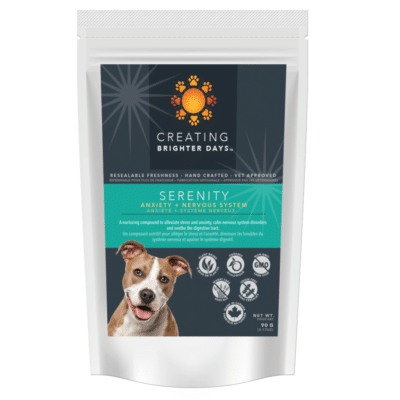
I have seen this distinction play out in practice with my own cat, a rescue who came to me with a history of nervous behaviors. She would hide under the bed during thunderstorms and refused to eat when strangers visited. After discussing options with her vet, we introduced calming chews that contained chamomile and a small amount of CBD isolate. Within a few weeks, her storm anxiety diminished noticeably. She still knew a storm was happening, she just did not panic. That is the hallmark of a well-made non-psychoactive pet treat: it takes the edge off without dulling the animal's natural awareness.
Key Ingredients That Deliver Results
The best products in this category combine multiple natural supplements to address specific needs. Here are a few I have seen work consistently in practice:
- CBD isolate, Provides anti-inflammatory and calming effects without psychoactivity. Ideal for anxiety relief and joint discomfort.
- Turmeric, A potent antioxidant that supports hip and joint support by reducing systemic inflammation.
- Glucosamine and chondroitin, Classic joint-support compounds that work synergistically with CBD for older pets.
- Melatonin and chamomile, Gentle sedatives that help regulate sleep cycles and ease situational anxiety. Often blended with CBD for a balanced effect.
- Omega fatty acids, Support skin, coat, and cognitive health. They also enhance the absorption of fat-soluble cannabinoids.
It is worth noting that not every ingredient works for every animal. I once recommended a turmeric-heavy treat for a friend's elderly cat with chronic inflammation. The cat refused to eat it because of the strong earthy taste. We switched to a recipe that used organic ingredients and masked the turmeric with a natural chicken flavor. That small change made all the difference. This kind of trial and adjustment is normal when working with nutraceuticals for pets.
How Non-Psychoactive Treats Fit Into a Broader Pet Health Routine
Non-psychoactive pet treats are not a replacement for veterinary care or a balanced diet. They function best as part of a comprehensive approach to pet wellness that includes proper nutrition, regular exercise, and routine health screenings. In my experience, owners who see the most success are the ones who treat these products as tools rather than cure-alls. For example, a dog that experiences anxiety during car rides might benefit from a calming chew given 30 minutes before travel, combined with a familiar blanket and a gentle voice. The treat supports the behavior modification; it does not replace it.
Another area where these treats shine is in supporting aging pets. As dogs and cats enter their senior years, they often deal with joint discomfort, reduced mobility, and cognitive decline. Non-psychoactive pet treats that combine CBD with glucosamine and omega fatty acids can help maintain quality of life without the side effects of pharmaceutical pain relievers. I have worked with multiple owners who reported that their pets returned to playing fetch or jumping onto the sofa after a few weeks on such a regimen. Those moments are powerful reminders of why this category matters.
Quality and Sourcing Matter
Not all non-psychoactive pet treats are created equal. The market has grown rapidly, and with growth comes variation in quality. I always advise owners to look for products that use organic ingredients and provide third-party lab results verifying low or undetectable THC levels. Reputable companies, including Kush Station, offer full transparency about their sourcing and manufacturing processes. When a brand is willing to share its certificates of analysis, it signals a commitment to canine nutrition and feline health that goes beyond marketing.
I also recommend starting with a single-ingredient or limited-ingredient formula when introducing any new supplement to a pet. This allows you to observe how the animal responds before adding complexity. For instance, if you want to address both anxiety and joint pain, try a pure CBD treat first, then add a joint-support blend later. This stepwise approach reduces the risk of an adverse reaction and helps you identify what works best for your individual pet.
Realistic Expectations and Responsible Use
One mistake I see often is expecting immediate, dramatic results. Natural supplements, including non-psychoactive pet treats, typically take time to build up in the system. A pet with chronic anxiety or arthritis may not show improvement for a week or more. Patience and consistency are essential. I have seen owners give up after two days because they did not see a change, only to have a friend report success after a month. The difference was persistence.
It is also important to follow dosage guidelines based on weight and condition. Over-supplementing can lead to digestive upset or lethargy, even with non-psychoactive products. If you are unsure, consulting a veterinarian who is familiar with CBD and hemp treats is always wise. Many vets now have experience with these products and can offer dosing advice tailored to your pet's specific needs.

Looking Ahead
The future of pet wellness is moving toward more targeted, gentle interventions that respect the animal's biology. Non-psychoactive pet treats are a perfect example of this trend. They allow owners to address common issues like anxiety, joint pain, and sleep disturbances without the worry of altering their pet's personality. As research continues and more veterinarians become comfortable recommending these products, I expect to see even wider adoption. For now, the key is to stay informed, choose quality brands, and listen to your pet's cues. They will tell you what works.